

+91 9643291984
contact@morphiaas.com

C137/a Near Sainik Farms, New Delhi 110080
15/6, Main Mathura Road,
Sec. 19, Fridabad, 121002
169 Madison Ave STE 2546
New York, NY 10016
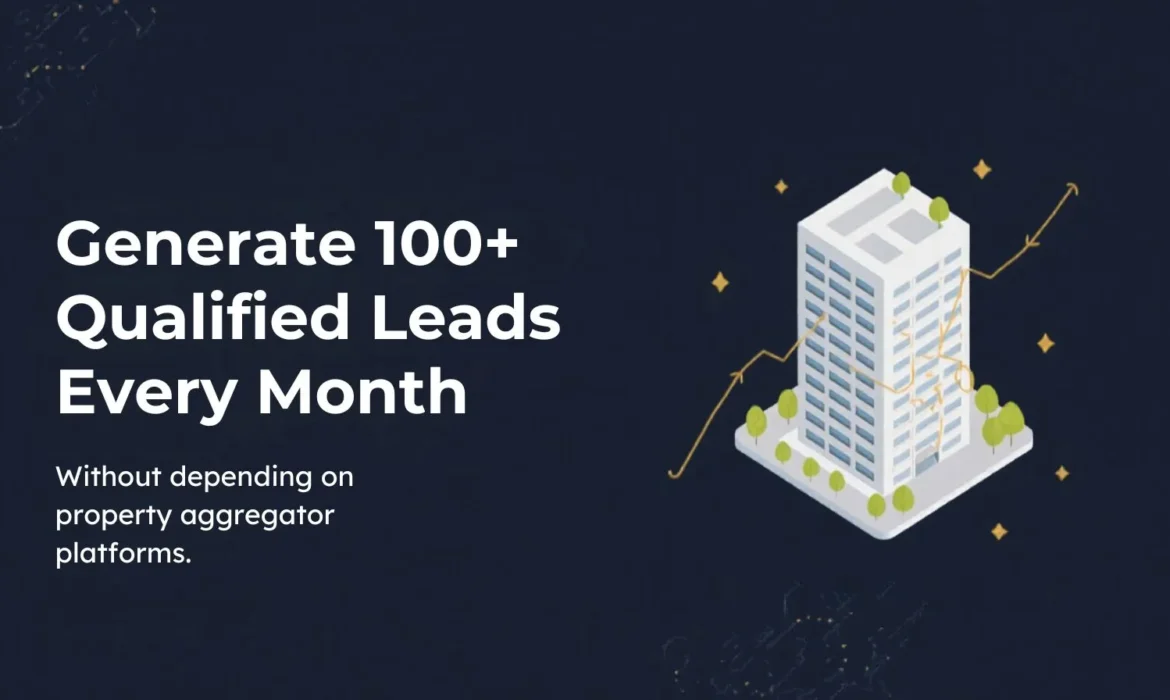

Let’s be direct about something that most real estate developers quietly know but rarely talk about openly: the biggest challenge in real estate lead generation today is not finding buyers — it is the aggregator model is eating your margins, your brand equity, and your independence — all at the same time.
Every time you pay Property Aggregator Platforms for a lead, you are not building an asset. You are renting a customer from a platform that is simultaneously showing your buyer six competing projects — including your direct rivals — right beside your listing. This is not property lead generation India‘s smartest developers rely on anymore. You pay to be seen on someone’s site. You have to follow their rules and pay their prices. When you stop paying all those leads are gone.
This approach does not constitute a sustainable growth strategy. It is a dependency dressed up as a marketing plan.
The good news is that in 2026, the tools, technology, and strategies available to real estate developers and agencies have never been more powerful. Generating 100 or more qualified leads every single month — without a single rupee going to an aggregator — is not only possible. It is what the smartest real estate brands in India are already doing right now.
Here is exactly how.
The single most powerful long-term strategy for real estate lead generation without aggregators is real estate SEO India. When someone searches for “3 BHK apartments in Pune under 80 lakhs” on Google at 10 PM on a Tuesday night they are probably serious about buying 3 BHK apartments in Pune.
They are not just browsing 3 BHK apartments in Pune out of boredom at that hour.
They have intent. They are ready to enquire. The only question is whether they find your project page or someone else’s.
Real estate search engine optimization works by making content that’s specific to a location and a project. This content should be what buyers are already searching for. To do this you need to make a page for each project and area. You also need to write guides about the neighborhood. Then you use keywords like “ready-to-move 2 BHK in Hinjewadi near TCS” instead of general terms like “flats in Pune”.
The results of real estate search engine optimization do not happen away. It usually takes a month between three and six months to get more people visiting your website.. Over time the results get better and better. This is different from paying for listings on websites, which stop working when you stop paying. Real estate search engine optimization builds an asset that keeps working even after you stop investing in it. Morphiaas has helped property developers get to the page of Google for important property keywords in just six months. This drives people to visit their website and ask about properties, which costs a lot less than ways of getting leads. Real estate search engine optimization is a way to get more people to visit your website and it helps property developers, like Morphiaas.

While SEO builds your long-term foundation, Google Ads for real estate cost per lead real estate put your project in front of buyers who are actively searching right now — today, this morning, this hour. Unlike aggregator platforms where your listing competes on the same page with fifteen other projects, a well-structured Google Search Ad takes the buyer directly to your project landing page. There are no distractions. You do not have to compete with anyone. No platform takes a part of the relationship you build.
The main difference between Google Ads that waste money and Google Ads that get leads is really about three things: how well Google Ads target the right people, how good the landing page is and how well the systems work to qualify leads. Google Ads need to have targeting precision, good landing page quality and good lead qualification systems to get qualified leads from Google Ads. This is what makes Google Ads that get qualified leads different from Google Ads that drain budgets. Google Ads with targeting precision and good landing page quality can get more qualified leads, from Google Ads.
When people want to buy a flat in Gurgaon or a new launch apartment in Bangalore they use words. They search for things like “buy a flat in Gurgaon” or “new launch apartments Bangalore”. Invest in property Hyderabad 2026″. These words show that they really want to buy something.
We should use these words for our ads using words that everyone uses.
We can make a page for each project like a page for people who want to buy a flat in Gurgaon or a new launch apartment in Bangalore. This page should be easy to use so people can ask us about the project without any problems.And implement automatic lead qualification filters — pre-filled forms, WhatsApp opt-ins, and budget selection dropdowns — so that only motivated buyers reach your CRM.
When done correctly, Morphiaas clients have achieved a cost per qualified real estate lead as low as ₹300 — compared to ₹850 or more through traditional aggregator platforms. That is not a small difference. Over 100 leads a month, that is a saving of over ₹55,000 every single month.
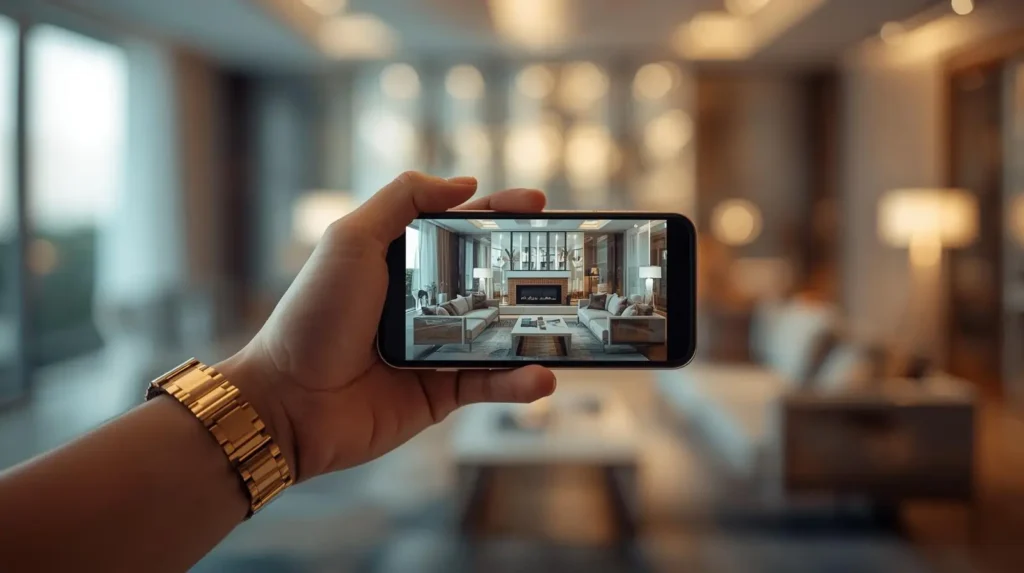
Here is a critical distinction that separates average real estate marketers from truly effective ones: Google Ads capture demand that already exists. Facebook ads for real estate and Instagram Ads create demand in people who did not even know they were ready to buy yet.
Meta’s advertising platform allows you to build highly specific audience profiles — working professionals aged 28 to 45 in a specific city, people who have recently searched for home loans, NRI communities in Dubai or London, or even followers of your competitors. You can show them aspirational video walkthroughs, lifestyle-focused reels of your project’s amenities, drone footage of the neighbourhood, and testimonial content from happy buyers — all without them ever visiting an aggregator platform.
The secret to making Facebook and Instagram ads generate genuinely qualified real estate leads — not just clicks — is the follow-up system. Lead form ads that integrate directly with WhatsApp or your CRM, combined with an automated follow-up sequence over 48 to 72 hours, dramatically increase the percentage of ad leads that convert into actual site visits. Without this, even the best ads generate cold contacts who forget they clicked by the next morning.
Morphiaas builds complete Meta advertising funnels for real estate — from creative strategy and audience targeting to CRM integration and follow-up automation — turning social media from a branding tool into a genuine lead generation engine.
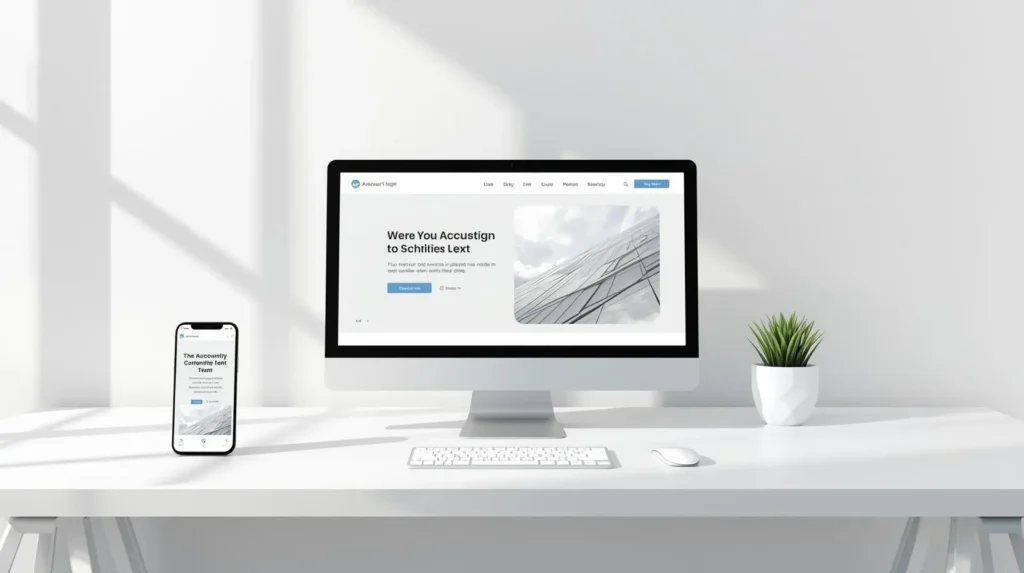
You can have the most precise Google Ad targeting and the most compelling Instagram creative in the world — and still generate almost no qualified leads if your landing page is weak. The landing page is where the decision happens. It is where a curious visitor either submits their contact details or closes the tab and forgets you existed.
A high-converting real estate landing page is not simply a beautiful page with your project’s photos. It is a carefully engineered conversion tool. It loads in under three seconds on mobile because over 70% of Indian property searches happen on a smartphone. IThis thing starts with a good headline that people can relate to. It is about what the buyer wants, not what you have to sell. There is a video that shows people around the place. It gets them really excited. The form to ask questions is simple: it only asks for your name, phone number and the city you live in. This is because when you ask for information fewer people will send in the form so you get fewer buyers.
This thing is really important because it helps people trust what they see. It has things like RERA registration numbers, information about the people building the project, things that have been written about it in the news and comments, from people who have already bought something. It also has pictures of the project, not just drawings. People who are looking to buy something in 2026 are smart. They can tell when a project page is good and when it is a basic template that nobody put much work into.

Here is the ugly truth about lead generation that no one in the industry likes to talk about: most real estate developers lose 60 to 70% of their leads not because the leads were bad, but because the follow-up was slow, generic, or nonexistent.
A buyer fills out your enquiry form on a Monday afternoon. If your sales team calls back within five minutes, the conversion rate to a site visit is dramatically higher than if they call back Tuesday morning. By then, the buyer has already spoken to two other projects, is emotionally invested in a competitor, and barely remembers filling out your form.
The solution is a CRM-integrated lead management system combined with instant WhatsApp automation. The moment a lead submits their details, an automatic WhatsApp message goes out — personalised, warm, and including a brochure download or walkthrough video link. This keeps the conversation alive while your sales team prepares to call. Morphiaas builds complete CRM integration systems for its real estate clients, ensuring that no lead ever goes cold because of a slow follow-up.
This system can boost the number of people who become leads when they visit your site by 30 to 40%. It does this without you having to change your ads or how you show up in search engines.
1. How many leads can we realistically generate per month without using aggregators?
With a properly structured digital marketing system — combining SEO, Google Ads, Meta Ads, and a strong landing page — generating 100 to 200 qualified leads per month is entirely achievable for most real estate projects. Morphiaas has really helped its clients. They used to get around 25 people asking about their services every month.. Then Morphiaas took over and now these clients get over 130 people asking about their services within just 90 days. The number of people who ask about the services can be different for each client. It depends on how much money the client wants to spend on advertising. It also depends on where the client’s project’s located and how much the client is charging for the project. Another thing that makes a difference is the quality of the clients assets. Morphiaas can make a difference for its clients like Morphiaas did for the clients who went from 25 monthly inquiries to over 130 within 90 days with the help of Morphiaas.
2. What is the realistic cost per lead without aggregators?
With optimised digital marketing campaigns, a cost per qualified lead between ₹250 and ₹500 is achievable for most residential projects. Premium luxury projects targeting HNI or NRI buyers may see a slightly higher CPL, but the quality and intent of each lead is significantly higher — making the overall cost per acquisition much lower than aggregator-sourced leads.
3. How long before we start seeing leads from SEO?
Real estate SEO typically begins showing measurable improvement in organic traffic between months three and six. Paid channels like Google Ads and Meta Ads can start getting people interested in what you have to offer within the week of being online.
The best way to do this is to use both paid and organic methods. Use paid channels to get results away and use organic methods to save money in the long run, with Google Ads and Meta Ads.
4. Should we create a new website, or is our current one sufficient?
In cases special web pages for projects work better than a general website home page. You can keep your website to show your brand is real. We build web pages that are designed to get more people to take action, for each project or campaign. These new pages help turn visitors into customers.
5. What is the lowest monthly budget needed to produce over 100 leads?
For residential projects in metro or Tier 2 markets you need to spend at least ₹30,000 to ₹50,000 every month on ads. You also need to invest in search engine optimization. When you do this you can get, than 100 good leads. Morphiaas helps make sure you are using your money in the way possible by changing how your budget is allocated at the right time. This way you get the most out of every project campaign. Morphiaas and residential projects go hand in hand to make this work.
6. What distinguishes a real estate lead as “qualified” compared to merely being a contact?
A person who is really interested in buying something has said they want to make a purchase. This person has a budget in mind, they know where they want to buy, they know when they want to buy and they have given us a phone number where we can reach them. This is what we call a lead. The qualified lead is serious about buying something. They have a budget for the lead and a place in mind for the qualified lead. The qualified lead also has a timeline for when they want to make the purchase, for the lead. At Morphiaas, leads are filtered through smart forms, WhatsApp qualification conversations, and CRM scoring before being handed to your sales team. This means your salespeople spend their time talking to buyers, not chasing tyre-kickers.
7. Is this applicable for commercial real estate, plotted developments, and projects in Tier 2 cities?
Absolutely. Morphiaas does a job with campaigns for residential apartments and villas and other properties like plotted developments. They also do campaigns for spaces and senior living communities and luxury projects. These campaigns are run in cities and smaller cities like Indore and Surat and Nagpur and Kochi. The plan for each campaign is made to fit the people they are trying to reach. The price of the property and where it is located. Morphiaas makes sure the strategy is just right, for your apartments and villas and other properties.
Here is the fundamental difference between buying leads from Property Aggregator Platforms and building your own digital lead generation system: one is a tap you rent, and the other is a well you own.
The moment you stop paying an aggregator, the leads stop. There is no equity, no compounding, no long-term return. Every rupee spent vanishes the day your subscription ends. But a properly built real estate digital marketing system — your SEO rankings, your branded campaigns, your landing pages, your CRM — grows stronger every single month. The cost per lead drops. The quality improves. The brand recognition compounds. Your sales team starts every Monday with a full inbox of warm conversations. They do not have to deal with a list of names that they need to chase.
In the year 2026 the people who make things for the internet and are really good at what they do will not be the ones who have the money to spend on getting lots of users. The developers who do the job will be the ones who are successful, not the ones who have a lot of money to spend on getting people to use their products. The developers will be the ones who’re good at making things that people want to use. They will be the ones who invested early in owning their own lead pipeline — their own digital ecosystem that works every hour of every day, in every city they operate, reaching every buyer who is ready to invest.
At Morphiaas, we have spent nearly a decade building exactly these systems for real estate brands across India and internationally. From reducing CPL from ₹850 to ₹300, to taking monthly inquiries from 25 to 130+, to ranking developer projects at the top of Google for high-intent buyer searches — the results are measurable, repeatable, and built to last.
You do not need Property Aggregator Platforms. You need a strategy. And the right partner to execute it.
contact@morphiaas.com
15/6, Main Mathura Road,
Sec. 19, Fridabad, 121002
169 Madison Ave STE 2546
New York, NY 10016
© 2025 — Morphiaas – The Digital Marketing Agency. All Rights Reserved.