

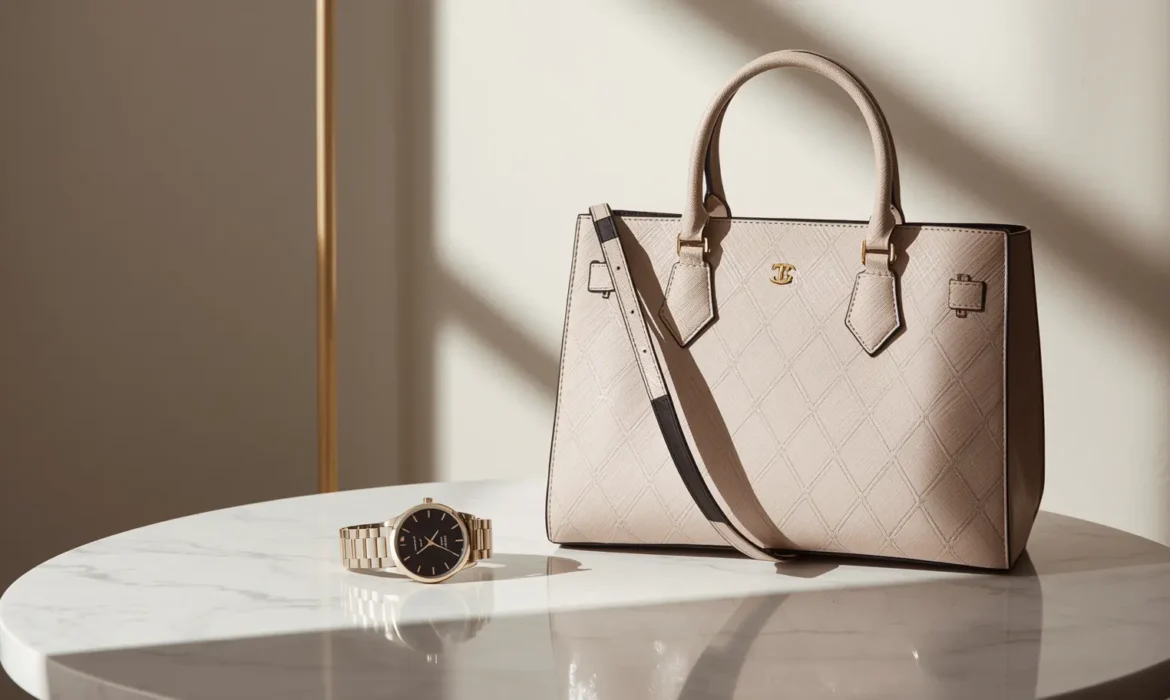
Luxury consumer behavior in 2026 has shifted decisively away from logo-led status buying toward craft-led identity buying, driven by younger high-net-worth consumers, AI-first research journeys, sustainability expectations, and the rise of second-hand and circular luxury markets. This guide covers the seven shifts every Indian and global luxury brand should understand, plus what winning brands actually do differently in response.
Key takeaways
- Gen Z and Millennials are projected to make up roughly 75% of luxury buyers by 2026, per BSPK’s 2026 global luxury retail trends analysis.
- Per Knight Frank’s Wealth Report, India’s ultra-rich population is projected to grow around 50% over five years, the fastest global growth rate.
- Roughly 47.5% of Indian Gen Z say they are willing to pay a premium for luxury brands with sustainable practices, per First Resort’s 2026 India Gen Z research.
- India is now the world’s second-largest ChatGPT market at ~160 million monthly active users, per the Bain-Flipkart “How India Shops Online 2026” report. Luxury research increasingly starts inside AI tools.
- India’s second-hand luxury market is projected to reach USD 1.67 billion by 2033, growing at nearly 10% annually, per IMARC. Circular luxury is now a mainstream category.
What Is Driving Luxury Consumer Behavior in 2026?
Luxury consumer behavior in 2026 is being driven by four converging forces: a generational handover to younger HNIs who research online before ever entering a boutique, the mainstreaming of sustainability as a purchase filter rather than a nice-to-have, the arrival of AI tools as a serious pre-purchase research surface, and a cultural shift from logo-led status signaling to craft-led identity expression.
The demographic side is the clearest. Younger buyers now dominate the luxury market. BSPK’s 2026 trends analysis places Gen Z and Millennials at roughly 75% of luxury buyers this year, and Marktel’s India luxury market analysis notes that roughly 20% of India’s estimated 8,50,000 HNIs are already under 40. These buyers do not shop the way their parents did. They arrive at the boutique already informed, already skeptical, and already carrying a shortlist built from Instagram, YouTube, ChatGPT, and Perplexity.
Why Do People Actually Buy Luxury in 2026?
People buy luxury in 2026 for four core reasons: to express identity and personal taste rather than borrowed status, to invest in craft and materials that will last, to participate in communities and experiences that carry meaning, and to signal values (sustainability, cultural literacy, provenance awareness) that align with who they see themselves as being. Pure status buying still exists, but it is no longer the dominant motive.
The Indian version of this is particularly interesting. India’s luxury market analysts note that the era of logo-led aspiration is giving way to a more nuanced ecosystem driven by experience, craftsmanship, authenticity, and emotional relevance. The modern Indian luxury buyer is young, well-travelled, and informed. Appreciative of heritage, but equally demanding of relevance.
What Are the 7 Shifts Reshaping Luxury Consumer Behavior?
Seven shifts capture how luxury consumer behavior has actually changed. In our own work with premium and emerging luxury brands at Morphiaas, a performance marketing and creative agency serving India and the US, these are the changes we help brands navigate when their existing marketing assumptions stop performing.
1. From logo status to quiet luxury and craft
Buyers are moving away from visible logos and ostentatious displays toward understated elegance, exceptional craftsmanship, and subtle branding. Sometimes called “quiet luxury” or “silent luxury,” this shift favors items that whisper wealth rather than shout it. For brands, this means investing in visible craft cues (materials, atelier stories, artisan credits) and de-emphasizing logo-heavy campaigns that read as dated to younger HNIs.
2. From occasion purchase to everyday integrated luxury
Luxury in 2026 is no longer reserved for milestones. Younger buyers integrate luxury into daily life: a considered watch worn to work, premium athleisure for weekends, curated tableware for regular dinner parties, high-end skincare in the morning routine. This shift changes what brands should sell (versatile, everyday-appropriate pieces) and how they should communicate (lifestyle integration rather than event-only positioning).
3. From ownership to experience and community
Younger luxury buyers value experiences, access, and community as much as owned objects. Members-only events, curated travel, private previews, and creator-collaboration drops matter more than they did five years ago. Brands that offer access as a genuine benefit of purchase build loyalty that discount codes cannot buy.
4. From logo trust to sustainability and provenance trust
Sustainability has moved from marketing decoration to a genuine purchase filter. Per First Resort’s 2026 India Gen Z research, roughly 47.5% of Indian Gen Z say they will pay a premium for luxury brands with sustainable practices, and RAIS research finds 89% of Indian Gen Z view eco-friendly production, ethical sourcing, and transparency as important to the future of luxury fashion. Provenance stories, material traceability, and honest sustainability reporting are now part of the product, not the packaging.
5. From boutique discovery to AI-first research
The pre-purchase research journey for luxury has moved online, and increasingly into AI tools. India is now the world’s second-largest ChatGPT market at ~160 million monthly active users, with Gen Z accounting for roughly a third. Buyers ask AI for brand shortlists, price comparisons, sustainability records, and authenticity checks before walking into a boutique. Brands whose provenance, craft, and reputation signals are not clearly readable to AI systems are increasingly invisible at the shortlist stage.
6. From first-hand to circular and second-hand luxury
India’s second-hand luxury market is projected to reach USD 1.67 billion by 2033, growing at nearly 10% annually per IMARC. Pre-loved luxury bags, watches, and apparel are no longer a compromise category. For many Gen Z buyers, they are a preferred entry point into luxury because they combine authenticity, sustainability, and access at a more approachable price. Brands ignoring resale (either by refusing to acknowledge it or by fighting it) are ceding a growing share of their category to specialist resale platforms.
7. From global uniformity to culturally-rooted local luxury
Indian luxury buyers increasingly want brands that speak to their culture, not brands that translate global campaigns into Hindi as an afterthought. Major European fashion houses opening Mumbai and Delhi flagships now design collaborative, cross-cultural collections that blend Indian couture with Western luxury craft. Wedding and festive calendars, regional aesthetics, and heritage-modern crossovers are commercial territory, not marketing decoration.
How Do These Shifts in Luxury Consumer Behavior Play Out in India?
India applies all seven global shifts, but with local intensity in three areas: the younger-HNI skew is more pronounced, the WhatsApp-first concierge journey is uniquely Indian, and the wedding and festive calendar concentrates a larger share of annual luxury spending than in most Western markets. Brands that copy Western luxury playbooks verbatim under-perform brands that localize thoughtfully.
The WhatsApp piece deserves specific attention. Indian luxury buyers open WhatsApp faster than they open email, and premium brands that staff a genuine concierge experience through WhatsApp (real human replies within minutes, personalized recommendations, private preview scheduling) convert at rates the same team cannot achieve through any other digital channel. Global luxury brands that route Indian enquiries to email are quietly losing to Indian and India-adapted competitors that treat WhatsApp as a first-class channel.
How Should Brands Adapt Their Marketing to New Luxury Consumer Behavior?
Adapt across five layers. Content: shift from campaign creative to editorial-quality storytelling about craft, provenance, and community. Channel: WhatsApp as concierge, Instagram and YouTube for aesthetic and craft video, an owned flagship website that reads like a magazine, plus deliberate AI-search visibility work. Commerce: private access, waitlists, and members-only drops instead of public discounting. Community: two or three long-term influencer collaborations rather than mass-creator networks. Measurement: brand health metrics and lifetime value alongside near-term ROAS, not instead of it.
The overarching shift is patience. Luxury consumer behavior rewards brands that build over 12 to 24 months. Brands running weekly ROAS reviews on luxury programs quietly optimize away the equity-building work that produces the ROAS in the first place.
Common Mistakes Brands Make Reading Luxury Consumer Behavior in 2026
- Assuming luxury buyers still want big logos. The shift toward quiet luxury and craft is real and durable. Logo-forward campaigns increasingly read as dated to the buyers spending the most.
- Treating sustainability as a marketing message. Younger luxury buyers expect verifiable material sourcing, ethical labor, and honest reporting. Marketing claims without substance actively damage brand trust in this segment.
- Ignoring the resale market. Fighting or dismissing pre-loved luxury cedes a fast-growing category to specialist platforms. Even without an official resale channel, brands should engage constructively with the resale conversation.
- Discounting publicly to hit revenue targets. Every markdown erodes the brand promise the customer paid for. Move stock privately through waitlists and VIP previews before ever running a public sale.
- Buying reach through creator networks. Ten long-term high-fit collaborations beat 200 paid one-off posts. Younger luxury audiences see the difference immediately.
- Copying Western luxury verbatim in India. Wedding calendars, family decision-making, WhatsApp culture, and regional aesthetics are structurally different. Translate the strategy, not the campaign.
- Under-investing in the website and digital flagship. The luxury website is now the first boutique most buyers visit. A slow, cluttered, or template-styled site tells premium buyers everything they need to know before they enquire.
- Measuring only weekly ROAS on luxury programs. Luxury builds equity over quarters and years. Weekly performance reporting on brand-building work usually optimizes away exactly the campaigns that produce the equity.
Build a Luxury Program Tuned to How People Actually Buy in 2026
If you want your marketing to match how luxury consumer behavior has actually changed, that is the kind of work we do at Morphiaas. We help Indian premium and luxury brands combine luxury-specific strategy, brand and creative direction, and category-specific execution across fashion and adjacent premium industries. Book a call and we will map the right playbook to your brand stage.
Frequently Asked Questions
What is the biggest change in luxury consumer behavior in 2026?
The clearest single change is the shift from logo-led status buying to craft-led identity buying, driven by younger HNIs (Gen Z and Millennials now form roughly 75% of luxury buyers per BSPK). This one shift explains many of the others: quiet luxury, sustainability, resale acceptance, and cultural-authenticity demand all follow from it.
Are Indian luxury buyers different from global luxury buyers?
The core shifts apply globally, but India applies them with local intensity. The younger-HNI skew is sharper, WhatsApp-based concierge is uniquely important, the wedding and festive calendar concentrates a larger share of annual spending, and cultural-authenticity demand is high enough that verbatim Western campaigns often under-perform localized ones.
Do younger luxury buyers actually care about sustainability?
Yes, when the sustainability is verifiable. Per First Resort’s 2026 India Gen Z research, roughly 47.5% of Indian Gen Z say they will pay a premium for luxury brands with sustainable practices. But surface-level sustainability marketing without substance backfires. Younger buyers check claims and share disappointments quickly.
How is AI changing luxury consumer research?
Buyers increasingly use ChatGPT, Perplexity, and Google AI Overviews to shortlist brands, compare craft and provenance, and check reputations before ever visiting a boutique or website. India is now the world’s second-largest ChatGPT market. Brands whose entity signals (reviews, press, provenance, consistent business information) are not clearly readable to AI systems miss the shortlist stage entirely.
Should luxury brands sell through second-hand or resale channels?
At minimum, engage constructively with the resale conversation. India’s pre-loved luxury market is projected to reach USD 1.67 billion by 2033 per IMARC, and younger buyers view pre-loved as an authentic entry into a brand. Some luxury houses now run official resale channels; others partner with resale platforms. Ignoring the category cedes it entirely to specialist competitors.